By Allison Vencil
When I walk through homes in Mandeville, I’m always paying attention to the spaces people actually use every day. A home library is one of those features that quietly changes how a house feels. It’s not about having thousands of books or a picture-perfect room. It’s about creating a space that invites you to slow down and enjoy being home. If you’ve been thinking about building a home library, I want to share tips that make it personal, functional, and truly enjoyable to use.
Key Takeaways
-
A home library can fit almost any size home
-
Building a home library is more about function than size
-
Small design choices make the biggest difference
-
A well-designed library adds daily enjoyment and long-term appeal
Why a Home Library Makes Sense in Mandeville Homes
Homes in Mandeville often offer flexible layouts, bonus rooms, or quiet corners that are perfect for reading spaces. A library doesn’t need to be formal to be effective.
Why homeowners love library spaces
-
Encourages daily downtime and focus
-
Creates a quiet retreat within the home
-
Adds warmth and personality
-
Uses space intentionally
I see buyers respond emotionally to homes with spaces designed for real life. Building a home library signals that a home is meant to be lived in, not just looked at.
Start With the Right Location
The first step in building a home library is choosing where it belongs. This doesn’t always mean a dedicated room.
Great spots for a home library
-
A spare bedroom or flex space
-
A corner of a living room
-
A loft or upstairs landing
-
A quiet area of a primary suite
In many Mandeville homes, bonus rooms or wide hallways offer just enough separation to make reading feel intentional without closing off the space completely.
Decide How You’ll Actually Use the Space
Before thinking about shelves or furniture, think about how you’ll use your library day to day.
Questions to ask yourself
-
Will this be for daily reading or occasional use?
-
Do you prefer physical books or a mix of media?
-
Is this a solo space or shared with family?
-
Will it double as a workspace or quiet retreat?
Building a home library works best when it reflects your habits, not an idealized version of them.
Choose Shelving That Fits the Space
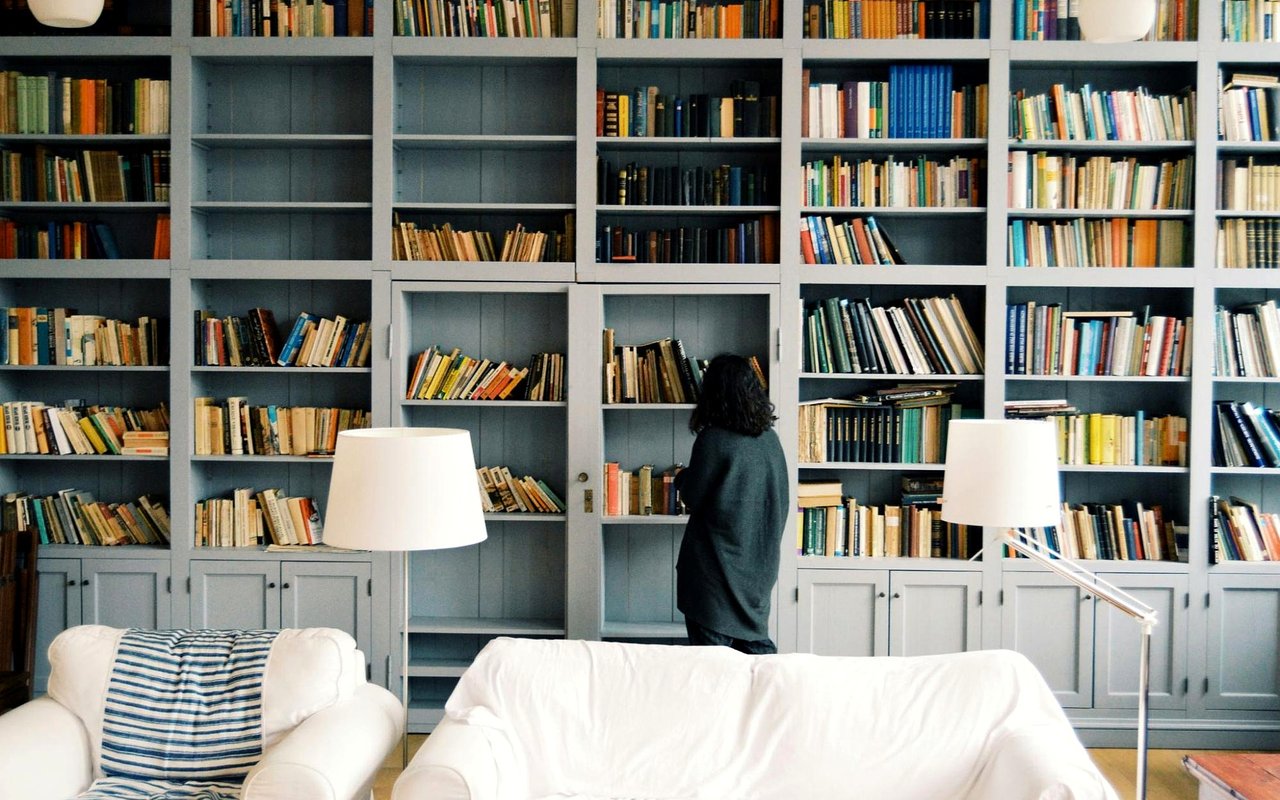
Shelving is the backbone of any library, but it doesn’t have to be custom to be effective.
Shelving options to consider
-
Built-ins for a seamless look
-
Freestanding shelves for flexibility
-
Wall-mounted shelves for small spaces
-
Lower shelving paired with art or seating
In homes with higher ceilings, vertical shelving can add character and make the room feel more finished. In smaller spaces, keeping shelves lower helps the room feel open.
Make Seating the Priority
A library you love is one you actually use. Comfortable seating is essential.
Seating ideas that work well
-
A supportive armchair with a small side table
-
A loveseat for shared reading
-
A window seat with storage below
-
Floor seating with cushions for casual spaces
I always recommend testing seating before committing. Building a home library should support long reading sessions, not just quick moments.
Get the Lighting Right
Lighting can make or break a reading space. Natural light is great, but layered lighting is what makes the space usable all day.
Lighting tips for a home library
-
Task lighting near seating areas
-
Soft ambient lighting for evenings
-
Adjustable lamps for flexibility
-
Avoid harsh overhead-only lighting
In Mandeville homes with plenty of natural light, adding adjustable lamps helps transition the space into evening without losing comfort.
Use Color and Texture to Create Warmth
Libraries should feel inviting, not sterile. Color and texture play a big role in that.
Design elements that add warmth
-
Rich or muted wall colors
-
Wood tones that feel natural
-
Textiles like rugs or throws
-
A mix of materials rather than matching sets
Building a home library is a chance to lean into personality. This space doesn’t need to match the rest of the house perfectly to feel cohesive.
Organize Books in a Way That Feels Natural
There’s no single right way to organize a library. The best system is one you’ll actually maintain.
Common organization approaches
-
By genre or subject
-
By author
-
By color for visual appeal
-
A mix of books and personal objects
I often see homeowners mix books with photos or collected items. That balance makes the space feel lived-in rather than styled.
Think About Sound and Quiet
A library should feel calm. Small changes can improve acoustics and reduce distractions.
Ways to soften sound
-
Area rugs or layered textiles
-
Upholstered furniture
-
Curtains or fabric panels
-
Strategic furniture placement
These details matter more than people expect, especially if your library is part of a larger open space.
Make It Multi-Functional Without Losing Focus
Many homeowners want spaces that serve more than one purpose. A library can do that without losing its identity.
Smart multi-use ideas
-
Reading space with hidden desk storage
-
Library that doubles as a guest room
-
Shelving that frames a small workspace
-
Quiet space that supports hobbies
Building a home library doesn’t mean giving up flexibility. It just means defining how the space is used most often.
Use the Library to Highlight Views or Natural Light
In Mandeville, many homes offer views of trees or outdoor space. A library is a great way to enjoy that.
Ways to connect the space to the outdoors
-
Position seating near windows
-
Use light-filtering window treatments
-
Keep sightlines open where possible
-
Orient shelves to frame views
These choices make the library feel like a retreat rather than an isolated room.
Avoid Common Home Library Mistakes
Even well-intentioned designs can miss the mark.
Mistakes I see homeowners make
-
Prioritizing looks over comfort
-
Overfilling shelves
-
Using lighting that’s too dim or too harsh
-
Choosing furniture that doesn’t fit the space
Building a home library should feel easy and enjoyable, not like a design project you avoid using.
How a Home Library Adds Long-Term Appeal
Spaces designed for everyday enjoyment often translate into long-term value.
Why buyers respond to libraries
-
They suggest thoughtful use of space
-
They add character without renovation
-
They feel personal yet adaptable
-
They support calm, comfortable living
In the Mandeville market, homes with purposeful spaces often stand out. A library can quietly elevate how a home is experienced.
FAQs About Building a Home Library
Do I need a separate room for a home library?
No. Many great libraries are created in corners, lofts, or shared spaces.
Is building a home library expensive?
It doesn’t have to be. Many libraries are created with furniture, lighting, and organization rather than construction.
Does a home library help with resale?
It can. Buyers often appreciate spaces that feel intentional and easy to adapt.
Contact Me Today
If you’re thinking about how to make your home more enjoyable day to day, a home library is a great place to start. Small design choices can create spaces you actually use and love.
Reach out to me, Allison Vencil, to talk about building a home library, rethinking how your home functions, or making simple changes that support both lifestyle and long-term value in Mandeville. I’m here to help you create spaces that truly work for how you live.
Reach out to me, Allison Vencil, to talk about building a home library, rethinking how your home functions, or making simple changes that support both lifestyle and long-term value in Mandeville. I’m here to help you create spaces that truly work for how you live.