By Allison Vencil
When I talk with homeowners in Mandeville, sleep comes up more often than you might expect. People are surprised by how much their home environment affects how well they rest. It’s not just about the mattress or bedtime routine. The way your home is designed, arranged, and used throughout the day plays a major role in how easily you unwind at night. Thoughtful home design to help you sleep doesn’t require a full renovation, but it does require intention.
Key Takeaways
-
Your home environment directly affects sleep quality
-
Home design to help you sleep focuses on calm and consistency
-
Small changes often make the biggest difference
-
Better sleep supports daily life and long-term home enjoyment
Why Home Design Matters for Sleep
Sleep is not just a nighttime issue. It’s influenced by how your home functions all day long. In Mandeville homes, where layouts often include generous bedrooms and flexible living spaces, design choices can either support rest or quietly disrupt it.
Why design impacts sleep
-
Visual clutter keeps the mind active
-
Poor lighting interferes with natural rhythms
-
Noise and layout affect how relaxed you feel
-
Inconsistent routines make it harder to wind down
I often remind clients that home design to help you sleep is about reducing friction. The goal is to make rest feel natural, not forced.
Start With the Bedroom Location
Where your bedroom sits in the home matters more than most people realize.
Bedroom placement considerations
-
Distance from main living areas
-
Separation from noise-prone spaces
-
Minimal foot traffic nearby
-
A sense of retreat within the home
In many Mandeville homes, primary bedrooms are thoughtfully positioned, but small adjustments like closing off unused pathways or rethinking nearby spaces can improve quiet and privacy.
Declutter to Calm the Mind
Clutter isn’t just visual. It creates mental noise that makes it harder to relax.
Simple decluttering strategies
-
Remove items not used daily
-
Keep surfaces intentionally clear
-
Store clothes and accessories out of sight
-
Limit décor to meaningful pieces
One of the most effective elements of home design to help you sleep is creating a bedroom that feels visually quiet. Less stimulation makes it easier for your body to shift into rest mode.
Use Lighting to Support Natural Sleep Cycles
Lighting plays a huge role in how your body prepares for sleep.
Lighting choices that support rest
-
Warm-toned lighting in the evening
-
Dimmers to lower light gradually
-
Task lighting instead of bright overheads
-
Minimal light sources near the bed
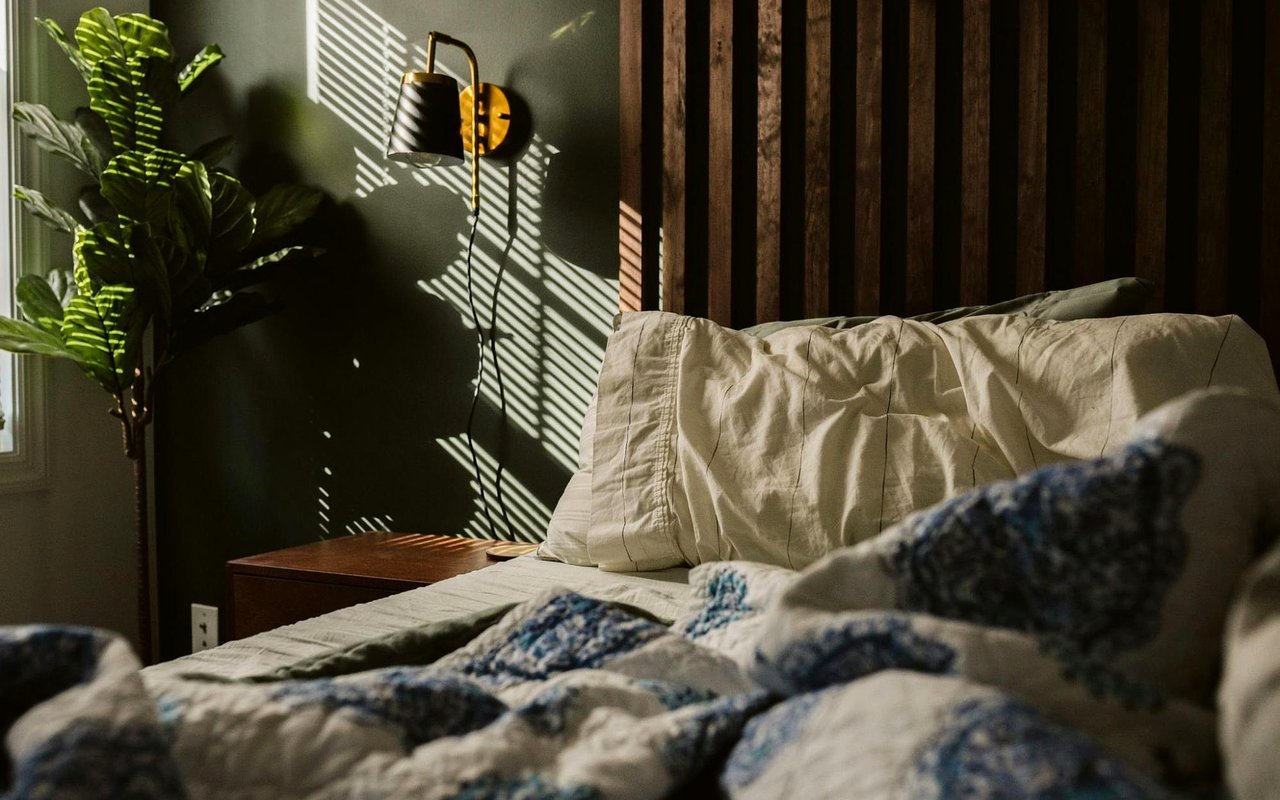
In homes with plenty of natural daylight, like many in Mandeville, it’s equally important to control artificial light at night. The right lighting helps signal that it’s time to slow down.
Choose Colors That Promote Relaxation
Color affects mood, even when you don’t consciously notice it.
Sleep-friendly color choices
-
Soft neutrals and muted tones
-
Gentle blues or greens
-
Warm, calming earth tones
-
Avoid overly bright or high-contrast colors
Home design to help you sleep often starts with the walls. Subtle, cohesive color palettes create a sense of calm that supports deeper rest.
Improve Sound Control Throughout the Home
Sound interruptions are one of the most common sleep disruptors.
Ways to reduce noise
-
Area rugs and upholstered furniture
-
Curtains or fabric window treatments
-
Soft-close doors and hardware
-
Strategic furniture placement
Even in quiet neighborhoods, interior sound can travel. These changes help bedrooms feel insulated and peaceful.
Pay Attention to Airflow and Comfort
Physical comfort directly affects how well you sleep.
Comfort-focused design tips
-
Keep bedrooms well-ventilated
-
Use ceiling fans or airflow solutions
-
Choose breathable bedding materials
-
Maintain consistent temperatures
In Mandeville’s climate, airflow matters year-round. Home design to help you sleep should support comfort without constant adjustment.
Create a Clear Evening Routine Space
Your home should gently guide you toward rest in the evening.
Design choices that support routines
-
A bedside table for nighttime essentials
-
Soft seating for reading or winding down
-
Minimal technology in the bedroom
-
Storage that supports evening habits
I often encourage clients to think about what they do in the hour before bed and design the space around that reality.
Reduce Technology Distractions
Technology keeps the brain alert, even when you’re tired.
Design strategies to limit disruption
-
Charge devices outside the bedroom
-
Use hidden storage for electronics
-
Avoid screens as focal points
-
Keep the bedroom purpose-driven
Home design to help you sleep works best when the bedroom is clearly defined as a place for rest, not stimulation.
Make the Primary Bedroom Feel Like a Retreat
Your bedroom should feel different from the rest of the house.
Elements that create a retreat feel
-
Consistent materials and textures
-
Comfortable, well-scaled furniture
-
Thoughtful lighting layers
-
A sense of enclosure without heaviness
In many Mandeville homes, primary suites are large enough to support this without feeling crowded. It’s about intention, not size.
Use Storage to Reduce Visual Stress
Good storage keeps your space calm without feeling sparse.
Storage ideas that support sleep
-
Closed storage rather than open shelving
-
Nightstands with drawers
-
Closets that are easy to maintain
-
Hidden storage for everyday items
When storage works well, the bedroom stays visually calm, which is key to restful sleep.
Adjust Layout for Better Flow
How you move through a space affects how it feels.
Layout adjustments that help
-
Clear walking paths
-
Bed placement away from doors
-
Balanced furniture scale
-
Open sightlines without clutter
Home design to help you sleep often comes down to flow. When movement feels easy, the space feels calmer.
Extend Sleep-Friendly Design Beyond the Bedroom
Sleep quality is affected by the entire home, not just where you sleep.
Whole-home design considerations
-
Softer lighting in evening areas
-
Calm transitions from living spaces to bedrooms
-
Reduced visual noise throughout the home
-
Consistent nighttime routines
I often see better results when clients think about the full evening experience, not just the bedroom itself.
How Sleep-Friendly Design Supports Long-Term Value
Homes that feel restful tend to feel more livable overall.
Long-term benefits of sleep-focused design
-
Better daily energy and mood
-
Stronger emotional connection to the home
-
Spaces that feel intentional and comfortable
-
Positive buyer perception over time
In the Mandeville market, homes that feel calm and well-balanced often stand out in subtle but meaningful ways.
FAQs About Home Design to Help You Sleep
Do I need to remodel to improve sleep?
No. Many changes involve lighting, layout, and organization rather than construction.
Does bedroom size matter for sleep?
Not as much as comfort, layout, and design choices.
Can these changes help before selling a home?
Yes. Homes that feel calm and restful often show better and feel more inviting.
Contact Me Today
If you’ve been thinking about how your home supports your rest, small design changes can make a meaningful difference. Better sleep often starts with a better environment.
Reach out to me, Allison Vencil, to talk about home design to help you sleep, rethinking your space for comfort, or making lifestyle-driven improvements that support daily living and long-term value in Mandeville. I’m here to help you create a home that truly supports how you live and rest.
Reach out to me, Allison Vencil, to talk about home design to help you sleep, rethinking your space for comfort, or making lifestyle-driven improvements that support daily living and long-term value in Mandeville. I’m here to help you create a home that truly supports how you live and rest.