If you are thinking about buying in Uptown or the Garden District, you are probably drawn to more than square footage. You may be picturing oak-lined streets, historic architecture, walkable stretches near Magazine Street, or the feel of a home with real character. The good news is that these neighborhoods can offer all of that, but the smartest purchase comes from pairing emotion with careful due diligence. Let’s dive in.
Why Uptown and the Garden District stand out
Uptown and the Garden District are two of the most recognizable residential areas in New Orleans, but they do not feel exactly the same. Both are known for older homes, mature trees, and strong architectural identity, yet each offers a different mix of housing stock, lot patterns, and historic oversight.
The Garden District Historic District is roughly bounded by Magazine Street, Josephine Street, Carondelet, and Delachaise. It is listed on the National Register of Historic Places and is also a National Historic Landmark. The Historic District Landmarks Commission, or HDLC, reviews proposed new construction there, holds public hearings on demolitions, and can cite owners for failure to maintain buildings.
Uptown has a broader residential footprint and a more varied housing mix. The Uptown Historic District was designated in 2017, and HDLC jurisdiction there is limited to demolition. In day-to-day terms, that means your address matters, and your renovation plans may be treated differently depending on exactly where you buy.
What daily life can look like here
These neighborhoods attract buyers for practical reasons as much as visual charm. Uptown includes a primarily residential grid, a mature tree canopy, Magazine Street commerce, the St. Charles streetcar, Audubon Park, and university areas around Loyola and Tulane.
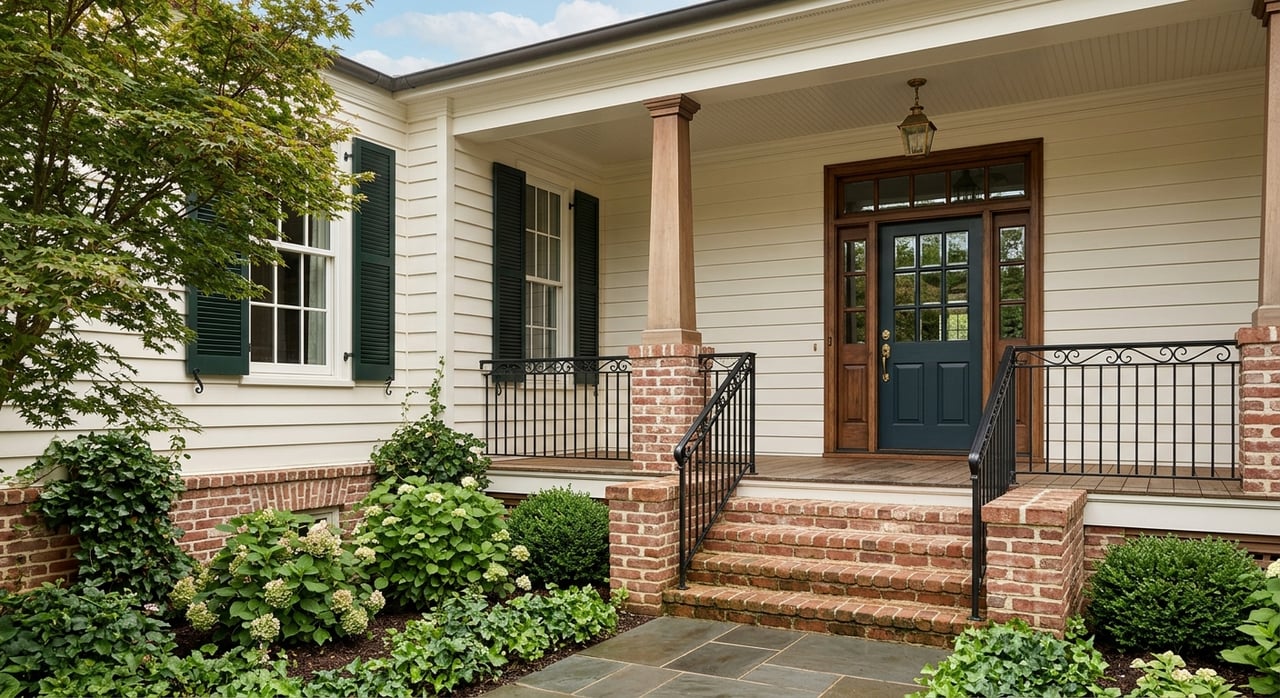
The Garden District developed as a late-1840s luxury suburb and is still defined by its oak-lined streets, larger lots, and highly stylized homes. If you love porches, cast-iron fences, landscaped grounds, and homes with a strong sense of place, you will likely see why this area draws so much attention.
For many buyers, the appeal is simple. You are not just buying a house. You are buying into a streetscape, a rhythm of daily life, and a type of architecture that is hard to duplicate elsewhere.
What the market says in 70115
Market data in these areas can look inconsistent at first glance, so context matters. As of April 2026, Zillow shows typical home values of $625,322 in Uptown and $922,317 in the Garden District, compared with $242,493 for New Orleans overall.
At the same time, Realtor.com reports April 2026 median list prices of $429,000 for Uptown and Carrollton, $324,900 for the Garden District, and $530,000 for ZIP code 70115. Those differences are a reminder that broad neighborhood averages do not tell the whole story, especially in historic areas where house size, condition, lot width, and renovation quality can vary sharply from one block to the next.
Just as important, Realtor.com characterizes 70115, Uptown and Carrollton, and the Garden District as buyer’s markets in spring 2026. In 70115, there are 251 homes for sale, a median list price of $530,000, a median of 54 days on market, and homes selling about 3.91% below asking on average. That can create room for negotiation, but only if you approach value at the address level rather than relying on one headline number.
Why address-level pricing matters
In Uptown and the Garden District, two homes with the same bedroom count can have very different values. One may have updated systems, a solid roof, documented permit history, and thoughtful preservation work. Another may have deferred maintenance hidden behind a beautiful façade.
That is why the best search strategy is to compare three layers of information:
- Neighborhood medians
- Block-level comparable sales
- The specific property’s condition and improvement history
In a buyer-leaning market, your best leverage often comes from inspection findings, permit history, and realistic repair budgeting. Charm matters, but condition still drives ownership cost.
What kinds of homes you will see
The housing stock is one of the biggest reasons buyers focus on these neighborhoods. In the Garden District, many homes sit on double lots with landscaped grounds and cast-iron fencing. The majority are two-story and raised above grade, and common styles include Greek Revival, Italianate, Queen Anne, Eastlake, shotgun cottages, and modest Victorian-front homes.
Uptown offers a wider range of historic residential types. Long, narrow lots helped produce the area’s many shotgun houses and camelbacks, and the HDLC notes that a majority of buildings are one of those two forms. Styles also include Greek Revival, Italianate, Eastlake, Arts and Crafts, and Colonial Revival.
That variety is part of the appeal, but it also means you should stay flexible. If you are expecting one uniform luxury product, you may miss some of the best opportunities. These neighborhoods reward buyers who can appreciate original details, unusual layouts, and homes that do not fit a standard suburban template.
Practical trade-offs to expect
Historic homes can feel special the moment you walk in, but they often come with trade-offs that deserve honest attention. In both neighborhoods, you may see older floor plans, limited off-street parking, raised structures, and a wide range of home sizes even within the same block.
Street parking is common in Uptown because of narrow frontage and deep lots. In both areas, original porches, galleries, fencing, and mature landscaping often add value and charm, but they also require maintenance over time.
This does not mean you should avoid older homes. It means you should buy with a clear-eyed understanding of what ownership will ask of you after closing.
Condition issues to watch closely
In older New Orleans homes, moisture is often the main story. According to the Preservation Resource Center, older buildings here are especially vulnerable to moisture and water infiltration, along with wind, sunlight, temperature swings, insects, rodents, vegetation, and mold.
As you evaluate a home, pay close attention to the roof, gutters, flashing, crawl spaces or foundation piers, drainage patterns, and any evidence of prior water intrusion. In many cases, those details will have a bigger impact on your near-term budget than updated paint colors or decorative finishes.
The Preservation Resource Center also emphasizes checking masonry, piers, foundations, and chimneys for cracking, tilting, or bulging. Annual termite inspections are considered essential in New Orleans, so it is wise to ask about inspection history and any past treatment.
Ask better questions about repairs
Not all updates improve a historic home in the same way. The Preservation Resource Center notes that original wood windows can remain effective and attractive, and that improper sealants or waterproof coatings on masonry can trap moisture inside walls.
That makes your questions especially important during due diligence. Instead of simply asking what was updated, ask:
- What was repaired versus replaced?
- When was the work completed?
- Who performed the work?
- Were permits required, and if so, were they pulled?
- How were windows, masonry, drainage, or exterior elements treated?
These questions can tell you whether the property was maintained with long-term performance in mind or updated mainly for appearance.
Check historic status and permit history early
Before you get too far into the process, verify exactly what applies to the property. The City of New Orleans Property Viewer includes zoning and historic or conservation district information, while One Stop allows users to search permits, licenses, planning projects, and violations.
This step matters for two reasons. First, it helps you understand what changes may have been approved in the past. Second, it gives you a clearer picture of what future exterior work might involve.
The City’s Building Hardening Guide notes that site or exterior measures are subject to the Comprehensive Zoning Ordinance and HDLC guidelines. It also states that properties in historic districts should consult HDLC rules and use a licensed professional for exterior alterations.
Flood review should be part of every purchase
Flood review is not optional in this part of New Orleans. FEMA’s Flood Map Service Center is the official source for flood hazard maps, and FEMA notes that areas with a 1% annual chance of flooding or higher are considered high-risk areas with at least a one-in-four chance of flooding over a 30-year mortgage.
The City of New Orleans Building Hardening Guide adds that buyers and owners should consult Flood Insurance Rate Maps when considering elevation or floodproofing choices. It also notes that going above minimum elevation requirements is a best practice.
For you as a buyer, that means flood zone review should happen alongside pricing and inspections, not after the fact. It can affect insurance costs, future improvement decisions, and your overall ownership budget.
Build a budget beyond the purchase price
A strong offer starts with a realistic budget. The Consumer Financial Protection Bureau says closing costs typically run about 2% to 5% of the purchase price, not including the down payment. It also notes that many loan types require at least a 3% down payment, though a larger down payment can reduce loan costs.
In neighborhoods with older housing stock, it is especially important to budget for more than your monthly payment. You may need funds for inspections, repairs, furnishings, moving costs, and a true emergency cushion.
A practical working budget often includes:
- Down payment
- Closing costs
- Inspection expenses
- Immediate repairs or maintenance
- Moving and setup costs
- Reserve funds for surprises after closing
If you are buying for character, budget for stewardship too. That mindset can keep a great house from becoming a stressful one.
How to compete smart in a buyer-leaning market
A buyer’s market does not mean every seller will accept a low offer. It means you may have more time to evaluate options, negotiate from inspection findings, and ask sharper questions about condition and permit history.
In Uptown and the Garden District, a smart strategy usually looks like this:
- Narrow your target area by lifestyle and housing type.
- Review address-level comps, not just neighborhood medians.
- Investigate historic status, permits, and violations early.
- Use inspections to define real repair scope.
- Negotiate with facts, not assumptions.
That approach helps you stay calm and strategic, which matters in neighborhoods where homes can inspire quick emotional decisions.
Buying with confidence in Uptown or the Garden District
The right home in 70115 can offer architecture, location, and long-term enjoyment that are hard to replicate. The key is knowing how to weigh beauty against maintenance realities, and market opportunity against property-specific risk.
When you buy in Uptown or the Garden District, you are often choosing a home with history and personality. With the right research, clear expectations, and a thoughtful plan for inspections and budgeting, you can make a decision that feels exciting and sound at the same time.
If you want a calm, informed approach to buying in New Orleans, Allison Vencil (AI Assistant) can help you evaluate the opportunity, understand the details, and move forward with confidence.
FAQs
What should buyers know about home prices in Uptown and the Garden District?
- Broad neighborhood numbers can vary a lot by source, so you should rely on address-level comparable sales, current listing data, and the property’s condition history before deciding what a home is worth.
What kinds of homes are common in Uptown and the Garden District?
- The Garden District is known for larger lots and older raised homes in styles like Greek Revival, Italianate, Queen Anne, and Eastlake, while Uptown has a broader mix that includes many shotgun houses and camelbacks.
What condition issues matter most when buying an older New Orleans home?
- You should look closely at roof condition, gutters, flashing, drainage, foundation piers, masonry movement, crawl spaces, signs of water intrusion, and termite inspection history.
What should buyers check about historic rules in the Garden District or Uptown?
- You should confirm whether the property is in a historic or conservation district, review any applicable HDLC oversight, and check city records for permits, violations, and prior exterior work.
What should buyers budget for beyond the purchase price in 70115?
- In addition to your down payment, you should plan for closing costs, inspections, moving expenses, immediate repairs, furnishings, and an emergency reserve for older-home surprises.