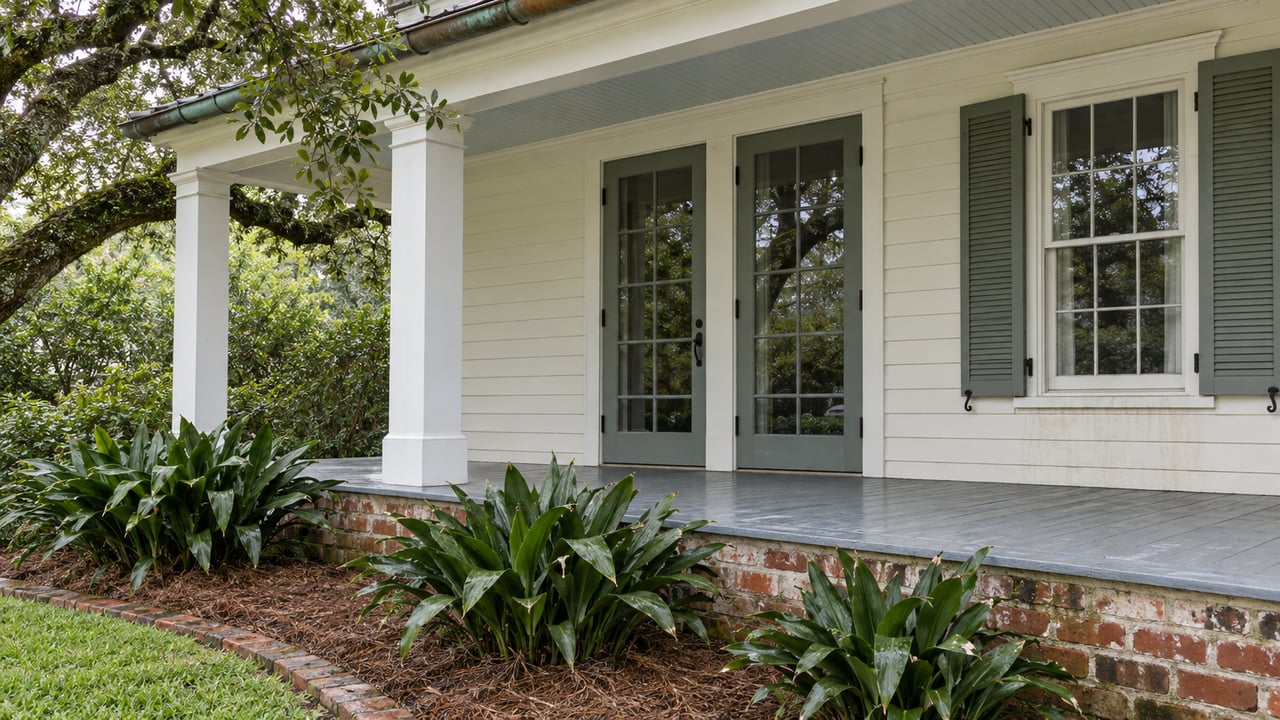
Doors open at 5:30 on concert Saturdays at 430 Lamarque Street. About a hundred people can fit on the benches inside the Dew Drop Jazz and Social Hall, a small wooden building put up in 1895. Everyone else walks around to the grounds with a folding chair and sets up under the live oaks. The band plays toward an audience that is mostly outside the building.
The venue's own guidance says it plainly: inside seating is "first come/first serve for about 100 people, but most people sit outside so bring a lawn chair." The plate dinners come from the church next door, and the last show of the year features choirs from the surrounding congregations. A Dew Drop night has always depended on the block around the hall, and the hall was built that way 131 years ago.
A hall too small for its audience
Spend ten minutes there and the numbers make sense. The Friends of the Dew Drop, who present the concerts, are in their 20th season, according to Visit the Northshore. The building has stayed the same size the whole time. In 2024, NOLA.com reported that the hall's visible fabric was largely unchanged, and that maintenance aims to preserve what is there. The main concession to modern shows is a simple sound system added some years ago.
So the lawn holds most of the audience. Admission is $15 per adult "to enter the grounds," and the wording fits, because you are paying for the yard as much as the room. Kids and students get in free. No tickets are sold in advance. You pay at the entrance with cash, a credit or debit card, Apple Pay or Google Pay. Older articles that list a lower price are describing past seasons. The $15 rate comes from the venue's current page.
With no advance sales, arriving early is the only way to get one of the hundred indoor seats. Since most of the crowd sits outside anyway, the doors-to-downbeat hour works as a neighborhood gathering in its own right.
The kitchen next door
The Dew Drop serves no food of its own. Its bar sells Abita beer, assorted wines, water and soda. Dinner comes from the Ladies of First Free Mission Baptist Church next door, who sell fried chicken or fried fish plates "with plenty of fixins'," with cash and card both accepted.
The rules keep it that way. You can't bring ice chests or outside food and drinks onto the property. Smoking and pets aren't allowed either. On most outdoor-music evenings in St. Tammany, people bring their own cooler. Here the restriction sends dinner money to the neighbors. It also means the plates and the music are part of the same night.
Parking runs on goodwill too. You can use the lot across the street or park on the surrounding blocks, and the venue asks guests "to be courteous and do not block the driveways of our neighbors." The hall sits on a residential street, and a Saturday crowd shares the curb with the people who live there.
What the hall was built to do
None of this is new to the building. Its cornerstone records that the Dew Drop Social and Benevolent Association was founded on May 5, 1885, by Olivia Eunio, and that the association built the hall in 1895. That account comes from the hall's National Register of Historic Places nomination. 64 Parishes, the Louisiana encyclopedia, describes it as a mutual-aid society. Members helped one another with funeral expenses, food, shelter and medical care at a time when Black residents were excluded from insurance.
Music came with that purpose. The National Register nomination names Buddy Petit, Bunk Johnson and Kid Ory among the musicians who played at the hall. It also says the hall's jazz history needed more research to be fully documented. 64 Parishes adds more names associated with the hall, including Papa Celestin, Sam Morgan and George Lewis.
The current arrangement dates from this century. The City of Mandeville acquired the building in 2000. The Friends of the Dew Drop formed in 2006 and staged three concerts in late 2007, according to 64 Parishes. The city owns the hall and the Friends operate it. In 2024, NOLA.com reported that the city covers much of the property's maintenance and insurance costs.
The calendar has grown into two seasons a year. In January, FOX 8 reported six spring shows for the hall's 131st anniversary season, running from February 28 through May 23. WAFB ran a feature that same month on the hall's history and on community life during concert nights.
Four Saturdays left in the fall season
The fall lineup has six shows. Two have already happened: Smoking Time Jazz Club's Blues Queens of the 1920s program on September 26, and New Orleans Legends featuring Wendell Brunious on October 10. Four remain.
| Date | Performer | Hours |
|---|---|---|
| Saturday, October 24 | Tom Worrell | 6:30 to 9 p.m. |
| Saturday, November 7 | Stephanie Jordan | 6:30 to 9 p.m. |
| Saturday, November 14 | Craig Klein Allstars and Mandeville High Jazz Ensemble | 6 to 9 p.m. |
| Saturday, December 5 | Quiana Lynell and Northshore Gospel Choir | 6:30 to 9 p.m. |
October 24. This Saturday features Tom Worrell, a pianist whose playing the venue compares to James Booker and Professor Longhair. He works in boogie-woogie and blues, styles that suit a room this small.
November 7. Stephanie Jordan is a jazz vocalist from the family of saxophonist and educator Edward "Kidd" Jordan. Her siblings include flutist Kent Jordan, trumpeter Marlon Jordan and violinist Rachel Jordan. The City of Mandeville lists the show on its cultural arts calendar.
November 14. This show starts half an hour early because the Mandeville High School Jazz Ensemble plays the opening set. Trombonist Craig Klein follows. He is a founding member of Bonerama and spent 16 years touring with Harry Connick Jr.'s big band. If you have a student in the ensemble, plan on a 6 p.m. downbeat rather than the usual 6:30.
December 5. The season closes with the night that best shows how the hall belongs to its block. The Northshore Gospel Choir, led by music director Dr. Maurice Moncure, brings singers from First Free Mission Baptist Church, Morning Star Baptist Church, Goodwill Baptist and other congregations. The venue calls the evening an annual tradition that celebrates the community's history in Old Mandeville, and expects a few holiday songs. Quiana Lynell, a Grammy-nominated songwriter and award-winning jazz singer, plays the second set. The church that sells the plate dinners on every concert night also sends singers to the stage that night.
The weekend continues the next afternoon. The Merry Mande Holiday Tea is set for Sunday, December 6, at 2 p.m. at the Mandeville Trailhead, 675 Lafitte Street. It is organized by Mande Milkshakers LLC, with proceeds going to Angels' Place.
A concert-night checklist
- Arrive at 5:30 if you want an indoor seat. There are about a hundred, first come, first served.
- Pack a lawn chair, because most of the audience sits outside.
- Leave the cooler and the dog at home. Outside food and drinks, ice chests, pets and smoking aren't allowed.
- Skip dinner beforehand and buy a fried chicken or fried fish plate from the Ladies of First Free Mission Baptist Church.
- Budget $15 per adult. Kids and students get in free, and cards and phone payments work at the gate.
- Park in the lot across the street or on nearby streets, and keep neighbors' driveways clear.
In its preview of the season opener, NOLA.com described outdoor seating as weather permitting. If clouds roll in on a Saturday afternoon, check the Dew Drop's show page before you load the car.
The Dew Drop is one of the places Old Mandeville has kept going for well over a century, and part of my work is knowing those places as well as I know the market. If you'd like to talk about life near Lamarque Street, or anywhere else on the Northshore, Allison Vencil would be glad to hear from you. Let's Connect.